
"Japanese tea"
2000 article(s) found
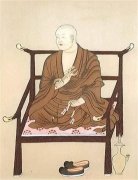
What is the traditional Japanese tea ceremony? the three ancestors of the Japanese tea ceremony and the interpretation of cultural and historical stories
Tea is an important part of Japan's long history and culture. This popular drink has been consumed all over Japan for centuries, and it is still popular among Japanese. It is believed that tea entered Japan from China, and China is the real birthplace of all kinds of tea. Tea culture originated in China and spread to Asian countries and other parts of the world. The art of Japanese tea

Where is the most famous black tea produced in japan? What kind of tea is Wakoucha black tea?
About Japanese black tea and mouthful tea is a kind of black tea made in Japan. Although Japan is most famous for green tea, such as fried tea and Yulu tea, Japan also produces some special black tea every year. Compared with typical black tea produced in China and India, Wakoucha's tea is lighter and milder, with red tones and pleasant

What does Yuji Matcha, one of Japan's three top green tea brands, mean? Yuji Matcha grade
We have talked about the origin of Japanese tea many times before. From the tea tour in Japan to the modern tea ceremony. For example, iced matcha formula. Believe it or not, Japanese elites did not drink iced oat milk matcha lattes in the Edo era. Anyway, today, we're going to show you Yuji in Kyoto, the real Japanese green tea.

What are the famous brands of tea in Japan? what is the origin and history of Japanese black tea?
Japanese tea has a history of more than 800 years, but Japanese black tea was not born until 1874. At that time, in order to get foreign currency, the Meiji government began to encourage tea farmers to produce black tea, so all black tea was sold for export. In 1876 Shizuoka Prefecture sent two professionals to Assam to learn the method of making black tea and returned to Japan to teach farmers everywhere. 1878

Traditional Japanese top green tea is Uji green tea Japanese green tea why is broken how to drink?
Yuji Yulu, steamed green tea Origin: Kyoto, Japan Yulu, also known as Yulu, is a special quality of steamed green tea (i.e., fried tea) name, originated from the southern part of Kyoto Yuji. This class has different quality grades. Producers name them poetically rather than numerically, such as crane, pine, purple cloud, etc. Production area Currently, Uji, Shizuoka and Fukuoka prefectures are Japan

Fine Coffee Culture the History of Coffee and Tea in Japan
Compared with coffee, Japanese tea culture is more traditional and far-reaching, so if we want to mention coffee, let's first learn about Japanese tea culture. Tea has a very long history and origin in Japan. Japanese tea was introduced from China in the 8th-9th century because of the exchange of Buddhism. At the same time, people also brought tea seeds into Japan. By the 12th century, it had been opened in Japan.

Japan's famous black tea brand which tastes good Japanese people like to drink black tea historical story brief introduction
Black tea accounts for less than 1% of Japan's total tea production, a marginal product in an industry dominated by green tea. Its rarity and difficulty to find are deeply rooted in Japanese culture. For more than 150 years, the country had tried to stimulate production, but despite efforts and resources, it had never been able to do so. However, in the last decade or so, we've seen black tea

Differences in taste characteristics and historical stories between Japanese matcha and green tea is matcha powder made of green tea
In the heyday of the Tang Dynasty, as people from all over the world went to China to study, Chinese tea also followed the envoys of the Tang Dynasty to his motherland, all over East Asia. Among them, a Japanese monk named Mingan Rongxi is known as the father of Japanese tea. The Mingan Rongxi monk made two trips to China during the prosperous Tang Dynasty, where he studied religion and introduced Linji Zen Buddhism to Japan. For the second time

The basic knowledge of the tea ceremony the correct seven steps to illustrate the gestures and etiquette of the tea ceremony
In our previous blog, we discussed the tea culture around the world and the traditions of some countries. You may have noticed that we did not discuss Japanese tea culture in that blog, because Japanese tea culture is so deep-rooted and extensive that we think it is fair to dedicate the whole blog to the tea culture of this country. Historical Japanese tea ceremony

Do you like matcha ice cream, matcha puff, matcha taro circle, matcha pudding, matcha latte?
There is a shop at a subway station in Shanghai. The food sold is matcha. I haven't been there for a long time. I miss it very much. Matcha ice cream, matcha puff, matcha taro round, matcha cloth

Japanese are keen on decaffeinated coffee Kirin launches decaffeinated black tea
Professional baristas Please follow the Coffee Workshop (official Wechat account cafe_style) many people may have encountered such a situation that they had a cup of tea or coffee in the afternoon and were so refreshed that they could not sleep all night. Now there are more and more decaffeinated drinks on the Japanese market to solve this problem. A few days ago, Kirin launched a new series of afternoon black tea, decaffeinated black tea. And in May, Ki

The story of the development of black tea in Taiwan what famous high-quality black tea are there in Taiwan? Comparison of Flavor characteristics between Taicha 21 and Taicha 18
Taiwan introduced black tea production during the Japanese occupation (1895-1945). By the time the Japanese arrived in Taiwan, Taiwan was already producing and exporting tea, although most of it was oolong tea. To protect their green tea exports, the Japanese banned the production of mildly oxidized oolong tea (a lighter, greener,

List of top brands of famous Japanese green tea producing areas
Japanese tea production methods all over the world, the most effective way to stop the oxidation and fermentation of tea is heating. The process is to heat the tea on a heated surface for a period of time. As the only way to protect tea from oxidation today, this technology has become more and more popular. Most tea farmers use large heating surfaces to heat their tea. In Japan, this technology is not

Matcha latte without coffee? The various practices of matcha let you experience the elegance of the Japanese tea ceremony.
Pay attention to the aftertaste, eat matcha cake, matcha coffee matcha cloth

A comparison of the differences between Chinese Tea Culture and Japanese Tea Culture the basic knowledge of the introduction to Tea ceremony
According to Chinese tea tradition, Emperor Shennong discovered tea more than 5000 years ago, when dry tea fell into a pot of boiling water. He liked the taste and vitality of the mixture and commissioned the tea garden. In China, different dynasties rise and fall. Moreover, with each dynasty, the use and preparation of tea have changed and developed. The unity of the country has led to the transformation of tea from a kind mainly enjoyed by the upper class.

The Japanese are surprised by the unique smell of convenience stores in Taiwan.
For the exchange of professional baristas, please follow the coffee workshop (Wechat official account cafe_style)-the convenience stores in Taiwan are super convenient and inherit the Japanese business style to a considerable extent. But in the eyes of the Japanese, the biggest difference between convenience stores in the two places is smell. (central

Fancy coffee, green tea, coffee with pure Japanese flavor.
Green tea coffee: a pure Japanese flavor of coffee. Pour whipped cream into the brewed coffee and sprinkle with some green tea powder. The elegant fragrance and slightly bitter taste of green tea are intertwined with the rich aroma of coffee and the slightly round acidity and sweetness of the taste, just like the cultural exchanges between the East and the West. seek a stable balance in the collision and agitation.
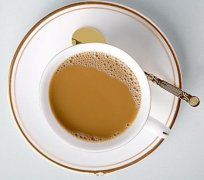
Green tea coffee with pure Japanese flavor.
Green tea coffee: a pure Japanese flavor of coffee. Pour whipped cream into the brewed coffee and sprinkle with some green tea powder. The elegant fragrance and slightly bitter taste of green tea are intertwined with the rich aroma of coffee and the slightly round acidity and sweetness of the taste, just like the cultural exchanges between the East and the West. seek a stable balance in the collision and agitation.
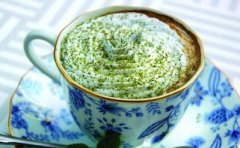
Green tea coffee a pure Japanese flavor of coffee
Green tea coffee: a pure Japanese flavor of coffee. Pour whipped cream into the brewed coffee and sprinkle with some green tea powder. The elegant fragrance and slightly bitter taste of green tea are intertwined with the rich aroma of coffee and the slightly round acidity and sweetness of the taste, just like the cultural exchanges between the East and the West. seek a stable balance in the collision and agitation.

What is matcha? Why is the matcha latte so hot? The Starbucks matcha latte comes from …
Professional coffee knowledge exchange more coffee bean information please follow the coffee workshop (Wechat official account cafe_style) latte and cappuccino how to drink the difference? Is there any difference between a cappuccino cup and a latte cup? In Japan, popular drinks have experienced the development process from carbonated coffee and tea drinks. In the 1990s, tea drinks became popular in Japan, and matcha gradually became Japanese society.